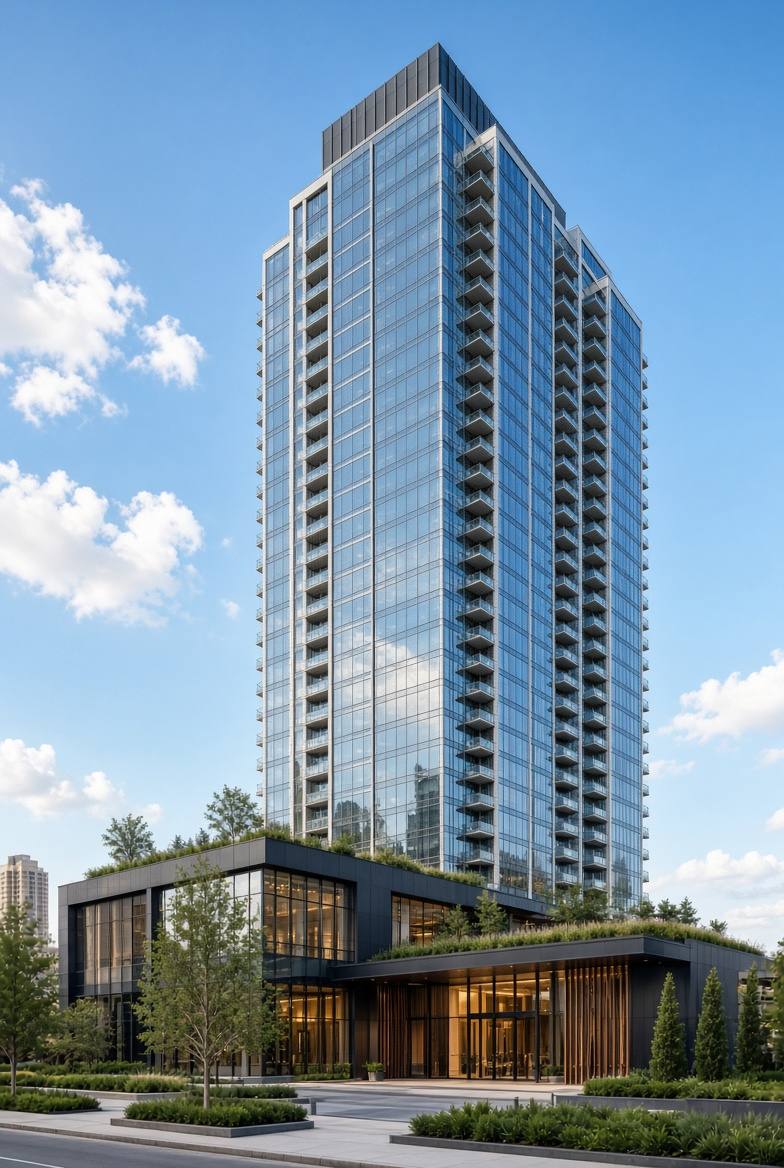
High-rise management requires tighter operating discipline.
A high-rise condominium is not simply a larger HOA. Owners share vertical infrastructure, access systems and building operations that can affect many residences at once. Protige helps Houston high-rise boards turn that complexity into a clear operating picture: what systems the building depends on, who services them, what is coming due and what the board needs to decide next.
Elevators, access and common building systems
Most towers depend on a long list of specialized equipment, and each item usually has its own vendor, contract and service schedule. Management should keep one organized register of these systems so the board can see risk before a problem becomes an emergency. Typical entries include:
- Elevators and lifts, including service contracts, inspection dates and deficiency lists.
- Fire and life-safety equipment, such as alarm panels, sprinkler and standpipe systems, extinguishers, emergency lighting and stair pressurization where present.
- Access control and security, including entry systems, garage gates, cameras, key fobs and visitor procedures.
- Domestic water, booster pumps and plumbing risers, which can affect every floor when they fail.
- HVAC and central equipment, such as chillers, cooling towers, boilers and corridor ventilation, where the building has them.
- Building envelope: roofing, windows, sealants, facade and plaza or amenity-deck waterproofing.
- Emergency power, such as generators and transfer switches, where installed.
- Amenities and garages, including pools, fitness areas, parking structures and loading docks.
For each system we recommend the board see the same few facts: who services it, when it was last serviced, when the contract renews, what is open and what is likely to need capital funding.
Elevator compliance in Houston: know which rules apply
Texas requires building owners to have elevators, escalators and related equipment inspected every 12 months by a registered inspector, to file the report, and to post a current certificate of compliance (Texas Health and Safety Code Chapter 754). The Texas Department of Licensing and Regulation administers that program, and TDLR states that it does not regulate elevators or escalators inside the City of Houston city limits. That means a tower in Uptown or Midtown and a tower in an unincorporated or neighboring-city location may be subject to different inspection processes.
The practical takeaway for a board: confirm in writing which jurisdiction applies to your building, put inspection and certificate dates on the association calendar, and require your elevator vendor and your manager to report deficiencies and corrections in a consistent format. Because compliance duties differ by location, ask your association's attorney or elevator consultant to confirm the details for your building.
Storm, flood and power-outage readiness for towers
Houston high-rises operate in a hurricane and flood region. Hurricane season runs June 1 through November 30, and recent events have shown how much a tower depends on power and water. Hurricane Harvey in 2017 put attention on flooding of garages and ground-level or below-grade electrical and mechanical rooms. Hurricane Beryl in July 2024 caused widespread, multi-day power outages across the Houston area, which affects elevators, booster pumps, access control, fire panels and resident communications.
Management should help the board keep a short, living readiness plan:
- Which equipment sits in flood-prone locations, and what is the protection or relocation plan?
- Does the building have emergency power, what does it run, and who maintains and tests it?
- How are elevators secured before a storm and returned to service afterward?
- How will residents be told what to do, and how will owners who live elsewhere be reached?
- Who photographs and documents conditions before and after, and who contacts the insurance carrier and adjusters?
- Which vendors are on the emergency call list, and what are their after-hours contacts?
For a fuller checklist, see our Houston association hurricane preparedness guide.
Resident impact, move-ins and contractor access
Work in a high-rise can affect elevators, water, parking, loading areas and access to private units. Good coordination includes advance notices, vendor access instructions, building rules and a clear escalation path when work changes. Routine logistics deserve written procedures too:
- Elevator and loading-dock reservations for move-ins, move-outs and deliveries.
- Contractor requirements for unit renovations, such as insurance certificates, approved working hours and protection of common areas.
- Water shut-off notices that name the risers and floors affected and the expected duration.
- After-hours escalation: who answers when a pipe breaks at night, and how the board hears about it.
Financial planning for major components
Large shared systems create significant capital needs. Elevator modernization, roof or waterproofing replacement, facade work, boiler and chiller replacement, and garage repairs are typical examples. The board needs understandable operating and reserve reporting, visibility into large contracts and a process for tracking recommendations from reserve studies, engineers and other specialists. See our financial management page for the reporting package boards should expect.
A practical high-rise capital approach: keep a multi-year list of major components, note the source of each estimate, and revisit it before every annual budget so assessments and reserve contributions reflect what the building actually needs.
Insurance, incidents and documentation
Texas condominiums are governed by the Texas Uniform Condominium Act (Texas Property Code Chapter 82) together with the association's declaration and bylaws. Texas Property Code Chapter 209, which covers residential subdivision property owners' associations, states that it does not apply to condominiums, so a condo board should work from the condominium rules in its own documents and Chapter 82. Ask the association's attorney how the declaration allocates responsibility for insurance, repairs and deductibles.
When an incident occurs, such as a water loss, fire alarm event, elevator entrapment or storm damage, records matter. Management should help preserve vendor information, incident documentation, photographs, communications and board direction while coordinating with the association's insurance, legal or technical professionals when required.
Front desk, concierge or offsite management
Some high-rise communities use concierge, security or onsite staff; others rely primarily on offsite management and contractors. Each model works when responsibilities are explicit. The management scope should define who handles resident requests, deliveries, contractor access, after-hours escalation, vendor supervision and board reporting, and who supervises onsite employees, if any.
Changing high-rise management companies
A transition in a tower has more moving parts than in a neighborhood HOA. Before changing firms, inventory the records and systems that must transfer: owner and resident data, financial statements and bank access, keys and access-control credentials, elevator and fire-system service records, inspection reports and certificates, vendor contracts and renewal dates, insurance information and open projects. Our transition guide walks through the checklist.
Questions to ask a Houston high-rise condo management company
- How do you track elevator, fire-system and other recurring inspections and certificates, and how does the board see them?
- What does your storm readiness process look like for a building like ours?
- Who handles contractor access and move-in logistics, and what are the written rules?
- What will the board receive every month, and how will you call attention to exceptions?
- How do you track large contracts, renewals and capital projects through completion?
The answers should describe a repeatable process, not just promise responsiveness. Boards in central Houston, including Uptown/Galleria, Memorial, River Oaks, West University and The Heights areas, can use the same questions to compare proposals.
For mid-rise and low-rise condominiums, see our Houston condominium management page. If your community is a collection of attached homes, see townhome association management.