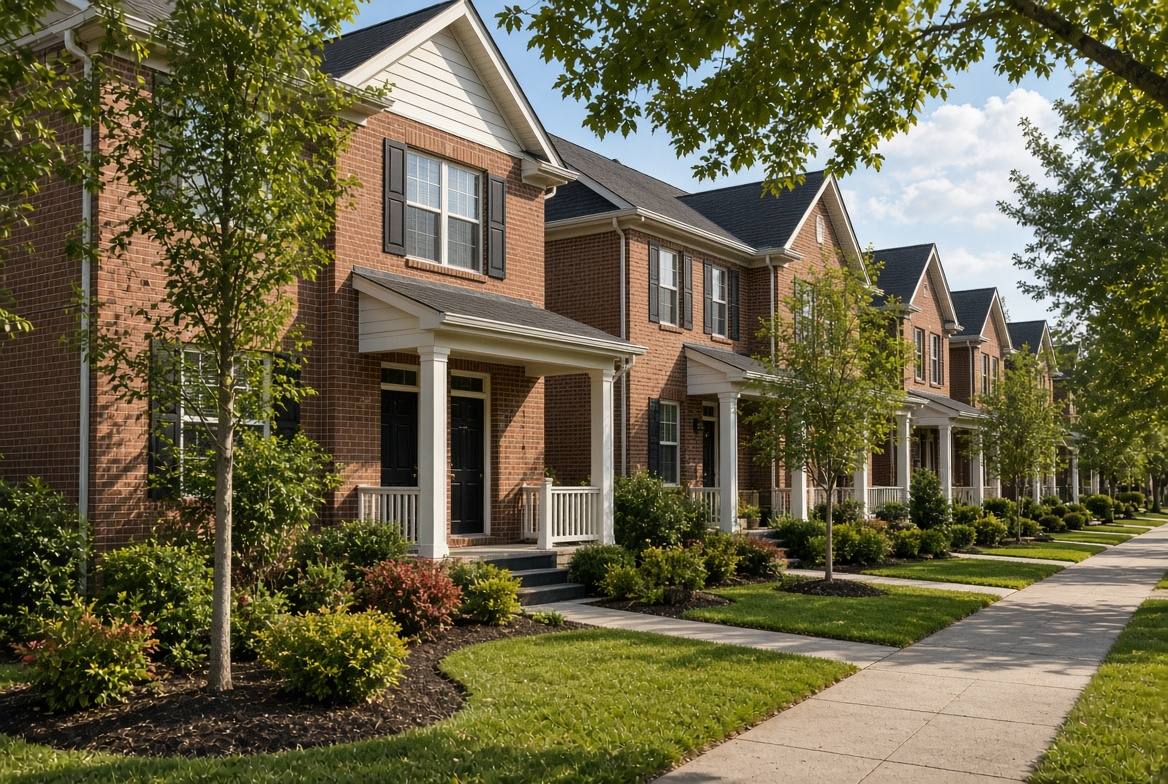
Townhome communities often sit between traditional HOA and condominium operations.
Some townhome associations maintain only neighborhood common areas. Others have significant exterior, roof, landscaping, access or shared-infrastructure responsibilities. Protige begins every townhome engagement with the governing documents and the actual maintenance obligations, then builds the management process around them. That is what keeps decisions consistent and keeps owner expectations realistic.
Clarifying association versus owner responsibility
Recurring confusion about who maintains what creates frustration and inconsistent decisions. We help the board build a simple written responsibility chart from the declaration, covering items such as:
- Roofs and gutters, including whether replacement is by the association or each owner, and the required materials and colors.
- Exterior walls, paint, siding and trim, and who schedules and pays for them.
- Fences, gates and mailboxes, including shared fence lines between neighbors.
- Party walls and shared structure, where one owner's repair can affect the neighbor.
- Private streets, drives, sidewalks and guest parking.
- Landscaping and irrigation in common areas, and whether front yards are included.
- Drainage, detention and common utility lines, and where association responsibility ends and owner or utility responsibility begins.
Once the chart is adopted, requests can be routed to the right place the first time, and the board can point to a written standard instead of arguing each case from scratch.
Exterior and common-area maintenance
Townhome communities may require coordinated landscaping, gates, private streets, roofs, exteriors, drainage or other shared work. Management can organize vendors, proposals, access and completion while keeping the board informed. Because attached homes share structure, timing matters: a roof or paint project is more efficient, more uniform and easier to fund when it is planned for the whole community, with bids, scope and schedule documented for the board.
Houston-specific issues townhome boards should plan for
- Soil movement. Much of the Houston area sits on expansive clay soils that swell when wet and shrink when dry. That can affect slabs, fences, sidewalks and shared walls, so boards should know who is responsible for foundation-related items and keep a record of complaints and repairs.
- Drainage and flooding. Heavy rain is a regular risk in the region. Private storm drains, inlets, detention areas and street drainage need routine inspection and cleaning, and the association's responsibility for them should be confirmed in the documents.
- Hurricane season. The season runs June 1 through November 30. Roofs, fences, trees and common-area lighting are common damage points. See our hurricane preparedness guide.
- Compact lots and shared drives. Many townhome communities, especially closer to central Houston, are compact, with narrow private drives and limited guest parking. Parking, trash-can, and exterior-modification rules tend to be among the most frequent resident issues.
Financial administration and reserves
Budgets should reflect the association's actual maintenance obligations and long-term needs. Clear reporting helps directors connect current assessments and reserves to the components the association is expected to maintain, such as roofs, paint cycles, paving, fencing and drainage. A reserve study from a qualified professional can turn that list into a funding plan; our financial management page describes the monthly reporting boards should expect.
Running the board process the Texas way
Texas Property Code Chapter 209 sets process requirements for many townhome and HOA boards. A management company should help the board follow them consistently. Examples include:
- Open meetings and notice: regular and special meetings are generally open to owners, with notice posted and e-mailed at least 144 hours before a regular meeting and 72 hours before a special meeting, or mailed 10 to 60 days ahead.
- Records requests: owners can make written requests for association records, and the association generally must respond within 10 business days.
- Enforcement notices: before fines or suspensions, the association must send written notice by certified mail with a chance to cure and to request a hearing.
- Payment plans: an association with more than 14 lots must adopt guidelines for an alternative payment schedule for delinquent assessments, with a minimum term of three months.
- Architectural requests: larger associations must give owners a written denial reason and a chance to request a board hearing.
This is a practical summary, not legal advice. Statutes change, so boards should confirm current requirements with the association's attorney. For more detail, read our Chapter 209 board basics and assessment collections guides.
Resident communication
Because homes are close together, maintenance and compliance matters can quickly affect neighbors. Consistent communication and documented procedures help reduce confusion and keep the board out of routine administrative back-and-forth. We recommend a short owner handbook that restates the adopted rules, the maintenance-responsibility chart, the process for architectural requests and who to contact for what.
Changing townhome management companies
Before changing firms, document the problems and list the records and systems that must transfer: owner ledgers, bank access, vendor contracts, architectural files, violation history, keys and gate or access credentials, insurance information and open projects. Our management transition guide provides the checklist.
Where we help townhome boards
Protige supports townhome boards in Houston and in surrounding suburbs. Explore our pages for Katy, Sugar Land, Pearland, Cypress, The Woodlands and League City, or read about Houston HOA management and condominium management if your community has features of both.